Our Mission
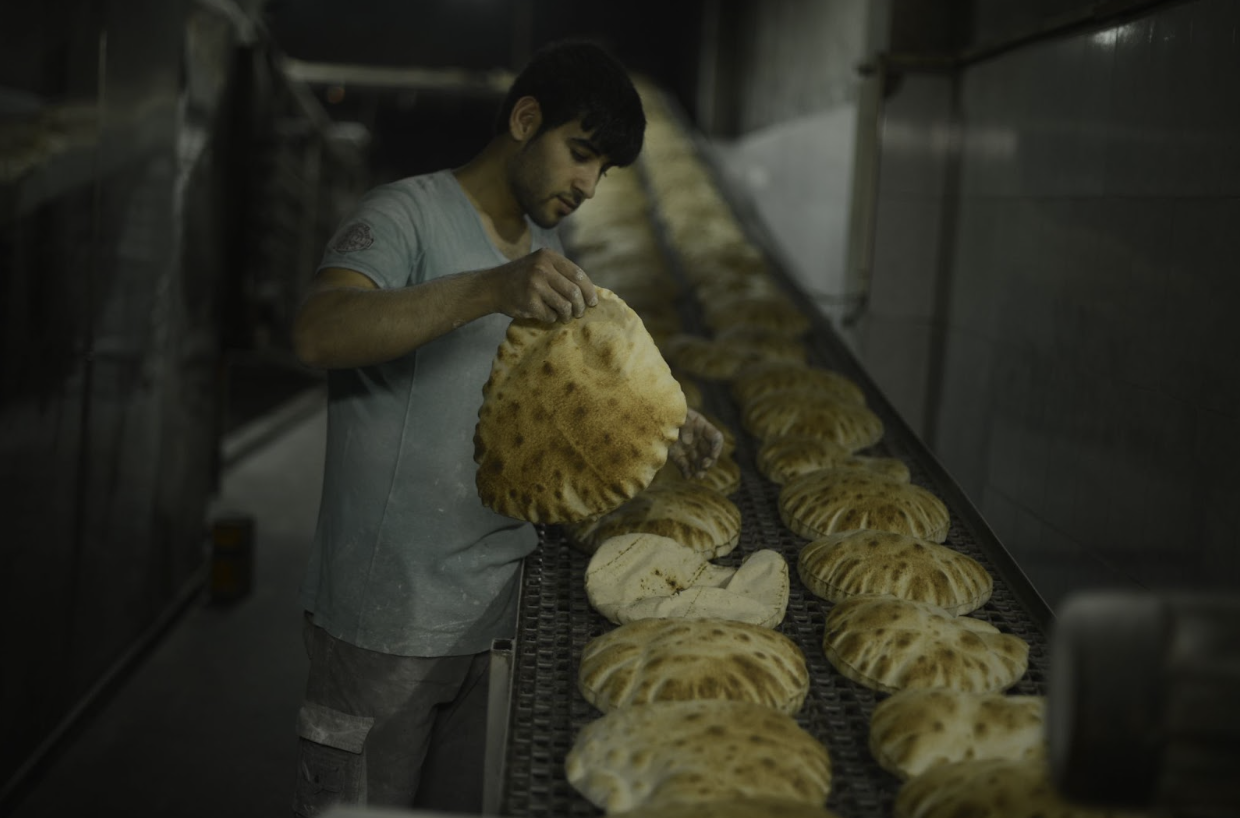
The Zomia Center supports people living in non-state spaces.
About Us
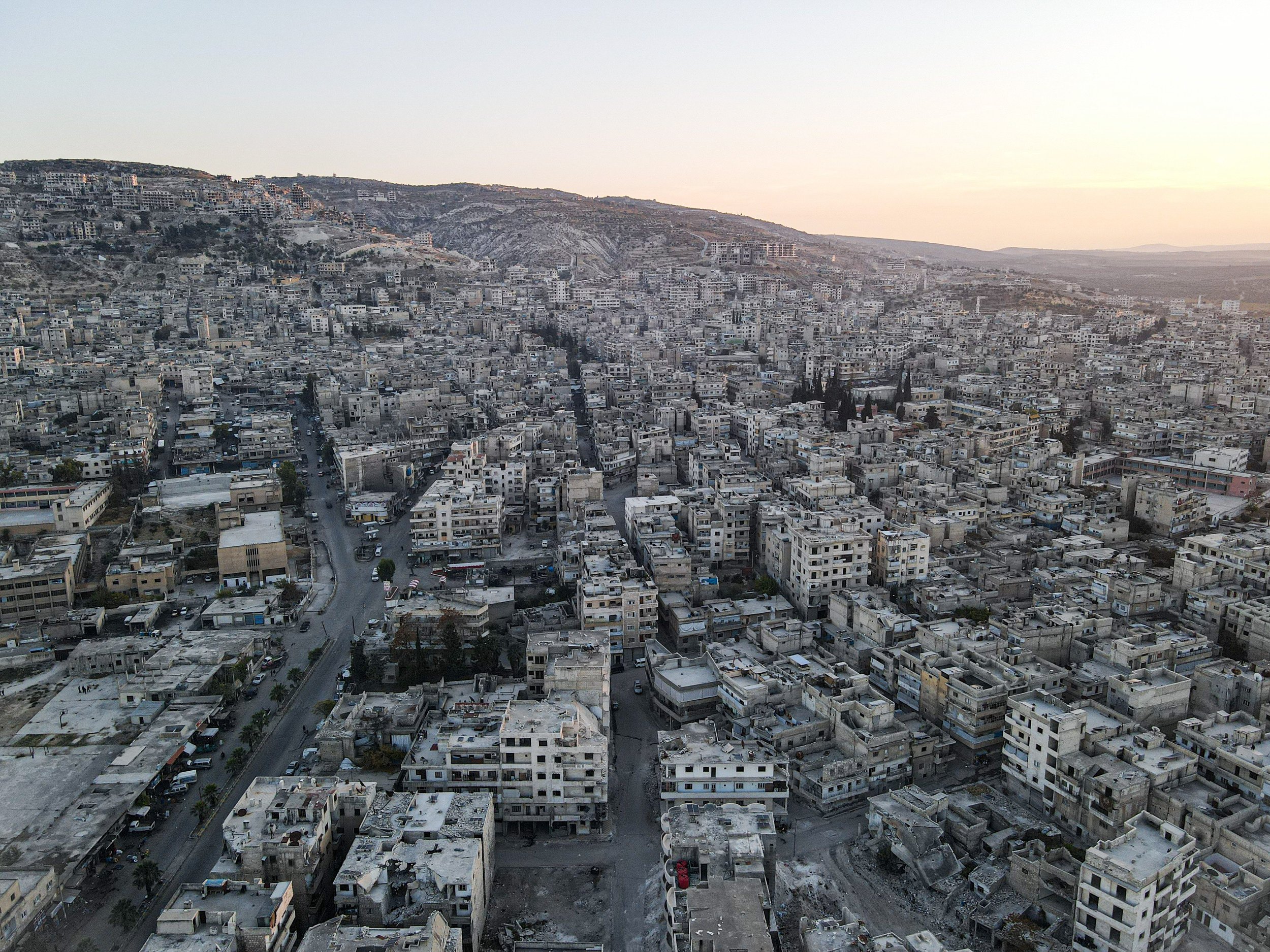
Zomia does not seek to replace government services, but rather collaborates with local community groups to help build sustainable and autonomous approaches to local governance.
Our Mission
Learn more about what we do and who we are.
Our Work
Read about our programs on the Legacy of War, Public Health, and Rapid Response.
Our Work
-
Legacy of War
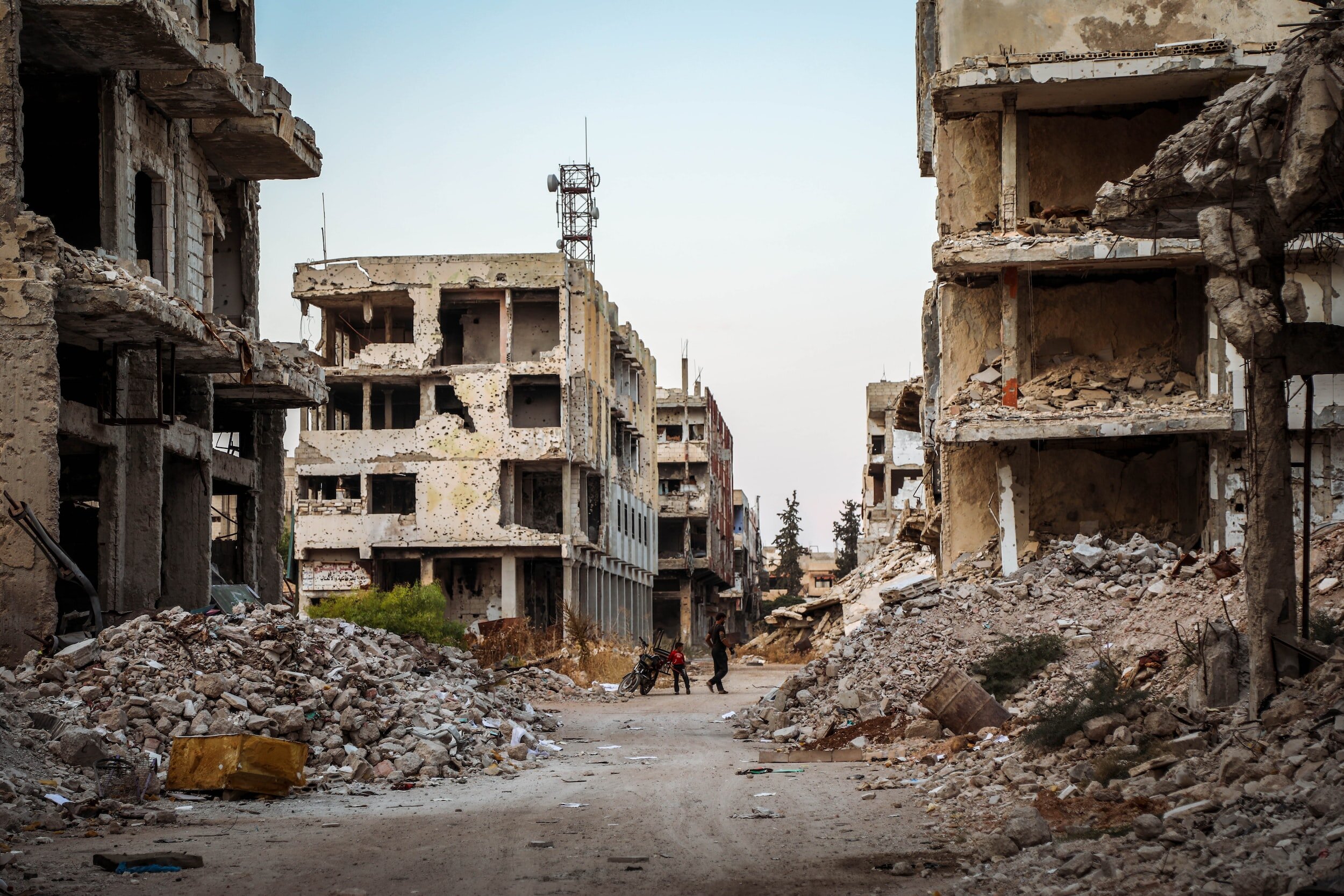
Learn about our work on the impact of U.S. military operations, and how we provide humanitarian support for victims of war.
-
Public Health
Read about our efforts to improve public health delivery in conflict settings and regions where population-centric healthcare faces challenges.
-
Rapid Response
Zomia maintains a nimble infrastructure to respond to unfolding humanitarian emergencies.


Contribute.
Donations will support Zomia’s crucial work in hard-to-reach and underserved areas. We thank you in advance for your support.